Chicken Road brings a simple premise to the casino screen: guide a chicken across a hazardous road, build a payout multiplier with successful moves, and decide when to cash out. For Canadian players, its appeal lies in short rounds and direct choices rather than complicated controls. The Chicken Road Casino Game reflects how casino play can pair simple mechanics with rising risk as the chicken advances, so understanding how mobile play, difficulty settings, and payout decisions work can help you approach each round with clearer expectations and a set budget.

How Chicken Road fits real player needs
Developed by InOut Games, Chicken Road is a player-controlled crash-style casino game. The chicken moves across a sequence of tiles, but each upcoming tile may be safe or dangerous. A successful step raises the round’s multiplier; landing on a dangerous tile ends the run and can put the round’s stake at risk. Instead of waiting for an automatic result, you choose when to move and when to stop. That combination makes the game easy to understand at a glance while keeping each decision meaningful.
Mobile play suits the compact structure: rounds are brief, the central action is easy to follow, and the main choices can be made with taps. A smaller screen does not change the underlying risk, though, and quick access can make it tempting to play without pausing. Treat Chicken Road as a casino game of chance, not a reliable way to earn money. Before a session, check that the game is offered through a licensed, reputable casino available in your province, and decide how much time and money you are comfortable spending.
How to start a Chicken Road round
Getting familiar with the round flow is more useful than chasing a particular multiplier. Read the game rules and confirm how the selected difficulty affects play before staking anything. Your bet is chosen before a round begins and remains fixed until that round ends, so it is important to select an amount you can afford to lose. The sequence below describes the basic approach; exact interface labels and available options can vary by casino and game version.
- Review the rules: Check how movement, hidden tiles, difficulty settings, and cash-out work in the available game version.
- Choose a stake: Set a fixed round bet within your entertainment budget before starting.
- Select difficulty: Compare the game’s available settings and understand that greater risk can mean a more demanding path.
- Move deliberately: Choose when to advance, remembering that each unrevealed tile may be safe or dangerous.
- Cash out or accept the outcome: Stop to collect the displayed return, or continue knowing a later hazard may end the round.
- Confirm the stake before the round starts.
- Use the rules screen to understand each difficulty setting.
- Decide on a stopping point before the multiplier begins to rise.
- Keep mobile sessions brief and within a time limit.
Mobile play, difficulty, and cash-out choices
On a phone, Chicken Road’s tap-based format can make a round feel especially fast. Take a moment to check the current stake and multiplier before each move, and avoid tapping repeatedly without noticing the result. The game’s central tension comes from choosing whether to take another step: each successful move can increase the potential payout, but the next hidden tile can end the run. A cash-out choice is therefore a trade-off, not a prediction. No pattern of earlier safe tiles guarantees that the next tile will also be safe.
Difficulty settings can change the character of a round, so review their descriptions rather than assuming a setting guarantees a specific return. If the interface provides different levels of challenge, consider starting with the one whose risk and pace you understand best. A practical decision framework is to choose a modest stake, set a personal cash-out target, and avoid changing the plan simply because the multiplier is rising. Keep in mind that a displayed multiplier describes the potential round return according to the game’s rules; it does not make a win more certain.
- Stake: Select an affordable amount before the round; it stays fixed while that round is active.
- Movement: You decide when to take the next step, rather than following an automatic progression.
- Hidden tiles: Safe and dangerous outcomes are concealed until the relevant move is made.
- Cash-out: Stopping locks in the eligible return shown by the game, subject to its stated rules.
For a more controlled session, use a simple stop rule: end play when you reach your planned time limit or spending limit, whichever comes first. A cash-out target can help structure an individual round, but it cannot remove the possibility of losing the stake. Avoid increasing bets to recover losses or treating a near miss as evidence that a win is due. These habits matter on mobile, where convenience can blur the boundary between a planned session and repeated, impulsive rounds.
Useful features for understanding Chicken Road
Chicken Road’s core appeal is its straightforward loop: set a stake, make a move, watch the multiplier, and decide whether to continue or collect. That clarity can make it easier to follow what is happening than in a game with many overlapping features. At the same time, simplicity should not be mistaken for predictability. Hidden tile outcomes preserve uncertainty, and a larger possible payout is tied to accepting more exposure to risk. The most useful features are those that help players understand the rules and remain in control.
- Player-led pacing: Choose when to advance, allowing time to consider each move.
- Visible multiplier: Follow how successful steps affect the potential return under the game’s rules.
- Difficulty options: Review available settings and select a level you understand, without assuming any guarantees.
- Short-round format: Keep sessions focused by setting time and spending limits in advance.
These features support informed play, but none can forecast a hidden tile or turn a chance-based casino game into a dependable income source. If the game offers a demo mode, it may help you learn the controls and round sequence without risking a cash stake. Demo results do not predict real-money outcomes. When playing for money, use only funds set aside for entertainment, and stop if the game no longer feels enjoyable or your limits are difficult to follow.
Trust, safety, and responsible casino play
For Canadian players, the first trust check is the casino offering the game, not the visual theme alone. Verify that the operator is authorized to serve players in your province, read its terms, and look for clear information about deposits, withdrawals, identity checks, and dispute handling. Availability and rules differ across Canada, so do not assume that a casino’s access or licensing applies uniformly nationwide. Use a secure connection, protect account credentials, and review privacy and payment policies before sharing personal or financial information.
Understand the payment conditions before depositing or requesting a withdrawal. Check the casino’s listed processing times, fees, transaction limits, and verification requirements; payout timing can depend on the operator and payment method, not only on the game. Keep records of transactions and never deposit money you need for essentials. If gambling begins to affect your finances, mood, or relationships, stop and seek support from a trusted person or a local responsible-gambling service. Account limits, time reminders, and self-exclusion tools may be available through the casino, but they work best when used early.

Why choose Chicken Road for a casino session
Chicken Road may suit players who want a compact casino game with direct controls and an active role in deciding when to continue. Its mobile-friendly format, adjustable challenge, and rising multiplier make the central decision easy to grasp: take another step or cash out. The trade-off is equally important: every move into an unrevealed tile carries uncertainty, and choosing a higher potential return does not guarantee a better outcome. Before playing, make sure the game is legally available through a suitable operator in your province and that its rules are clear to you.
Use a short checklist before each session: set an affordable stake, choose a difficulty you understand, decide how long to play, and establish a personal stopping point. During a round, treat the displayed multiplier as information about potential payout, not a promise, and cash out only when that choice fits your plan. If you find yourself trying to win back losses or ignoring your limits, step away. With informed expectations and responsible boundaries, Chicken Road can remain an entertainment choice rather than a financial strategy.

Sale Items
-
 YCS-CO8 ultrasonic cleaning machine (0.8L) custom model
Original price was: ₨ 4,300.00.₨ 4,000.00Current price is: ₨ 4,000.00.
-
 LB L3 12-15PLUS True tone repair expansion board
Original price was: ₨ 4,200.00.₨ 4,100.00Current price is: ₨ 4,100.00.
-
 SUGON-TJ251 Sugon TJ251 Hot Air Gun Handle Bracket
Original price was: ₨ 4,200.00.₨ 3,300.00Current price is: ₨ 3,300.00.
-
 MECHANIC Curved screen frame glue remover
Original price was: ₨ 550.00.₨ 450.00Current price is: ₨ 450.00.
-
 NASAN NA-SUPA S 2-in-1 LCD Laminator & Bubble Remover for 12.9-Inch Screens
Original price was: ₨ 130,000.00.₨ 126,600.00Current price is: ₨ 126,600.00.
-
 JCID 14Pro Screen True Tone Repair FPC
₨ 1,250.00
-
 Short circuit Detector RL-069b
Original price was: ₨ 900.00.₨ 750.00Current price is: ₨ 750.00.
-
 NEW HOT MODEL 8620DX SMD REWORK STATION Power Adjustable Welding Desoldering Heat Hot Air Gun Smd Digital Rework Station For Laptop Repair
₨ 29,000.00
-
 MIJING z20MA planting tin platform X-17Whole series
₨ 9,000.00
-
 YCS 6558S Ultra HD Trinocular Microscope with Large Base 6.5-58 Zoom for Mobile Phone PCB Welding Microscope Tools Set
₨ 30,000.00
Products
-
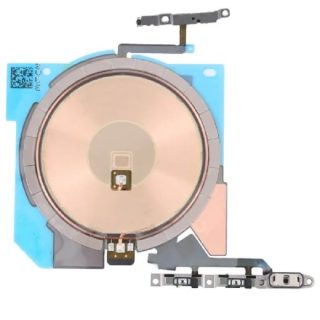 IP 14PM NFC Flex
₨ 1,500.00
-
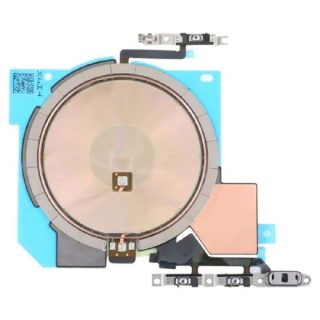 IP 14 PRO NFC Flex
₨ 1,500.00
-
 IP 13 PM NFC Flex
₨ 1,400.00
-
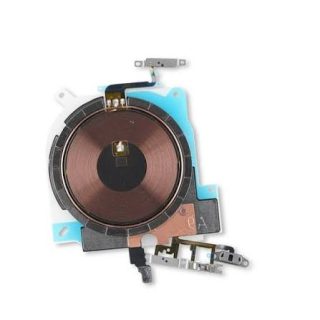 IP 13 PRO NFC Flex
₨ 1,400.00