
Australians are clocking some of the highest per‑capita gambling losses anywhere on the planet, and most of that action has shifted offshore to online casino platforms. Recent estimates from local analysts put annual outlay somewhere between A$20 billion and A$25 billion across licensed lotteries, wagering and digital play combined, with online casino spend now contributing roughly a third of that total. The headline figure is striking, but the more practical story sits underneath: how much individuals actually wager, what they play, and which platforms keep them spending after the first deposit bonus is long gone.
Reading the Numbers Without the Spin
Most online casino spending statistics for Australia paint the same picture from three angles. Average weekly spend per active player has crept past A$80, with regulars in the A$150-A$220 band and a long tail of casual players dropping in under A$30. Slot games still eat the lion’s share of that outlay, somewhere near 70 cents in every dollar, while live dealer tables and crash games absorb most of the remainder. Average session length sits around 32 minutes, which is a useful number because it tells operators exactly when to push a reload offer.
That last point matters to anyone trying to compare brands honestly. In my experience running acquisition budgets across Sydney, Melbourne and the Darwin market, the operators that survive long term are the ones that treat the second deposit as seriously as the first. Anyone chasing a headline offer alone is missing the bigger picture about where their monthly budget actually ends up. Spending data only becomes useful when you map it against the rewards calendar, not the welcome page.
Where Ongoing Value Separates the Decent From the Draining
For an Aussie punter spending A$100-A$200 a week, the recurring mechanics matter more than any sign‑up flash. Cashback on net losses, weekly free spin drops, tournaments with A$5,000 prize pools and a tiered VIP ladder that swaps comp points for withdrawable credit will quietly claw back between 4% and 8% of weekly outlay over a quarter. That is real money, and most casual players never compare it.
A few specifics worth weighing when you choose an online casino:
- Loyalty programme structure that offers ongoing reload value rather than a one‑off welcome burst.
- Recurring promos that fit a A$100-A$200 weekly budget without forcing a deposit jump.
- Responsible gambling safeguards that cap deposits before a player has to ask.
Chloe Graham, Responsible Gambling Adviser at Coral Coast Interactive, argues the design itself is part of the spending story. “Deposit caps, session reminders and cooling‑off prompts should feel like part of the product, not an afterthought buried in settings,” she says. It is a fair point – friction that protects players is something advocates keep pushing for, and platforms that bake it in tend to retain customers longer without inflating problem gambling rates.
Three Player Profiles and How Each Should Approach the Spend
The casual arvo player who logs in once or twice a week with a A$40 budget needs a site that pays back on volume rather than size. Look for a casino with daily free spins, low‑stake slot tournaments and a loyalty ladder that starts crediting comp points from the first spin. The goal here is to stretch the entertainment, not chase a payout, and the platforms that do this well will quietly refund a decent slice of weekly spend through reloads and tournament prizes.
The mid‑roller punter, somewhere in the A$150-A$250 weekly range, should be hunting for live dealer cashback, a real VIP host and tournaments with prize pools above A$10,000. James Martin, who runs the Brighton Beach Betting Lab as an independent iGaming expert, reckons this bracket gets the least love. “Mid‑tier players fund the ecosystem but rarely see the bespoke treatment,” he notes. The fix is to compare loyalty tiers side by side and pick the brand where A$200 weekly play meaningfully moves you up a level, not the one whose ladder only opens up at A$1,000 a week.
The Darwin‑based grinder who treats online casino play like a serious hobby, rotating between slots and live tables with a A$300+ monthly ceiling, needs tournament entry tickets, accelerated comp conversion and personalised reload offers. Garcia, the managing partner at Capital Territory Gaming Forum, has long argued that real value is in customisation. “If the cashier knows your name and your limit, you are probably in the right place,” he says. The platforms worth your time will respect self‑set limits while still surfacing the promos that match your actual play pattern.
The Practical Filter for Real Aussie Players
Strip out the marketing noise and the decision reduces to three questions. Does the casino return at least 5% of weekly spend through ongoing rewards? Are responsible gambling controls visible in the cashier flow rather than buried three menus deep? And does the loyalty ladder move at a pace that suits a realistic budget, not a fantasy one? Answer yes to all three and the long‑term cost of play drops noticeably. Answer no and the welcome bonus ends up being the only value you ever see, which is a poor trade for a hobby that should cost what you budgeted, not what the platform decides.
Players who treat the welcome offer as a starting line rather than a destination tend to keep their weekly spend honest. The data backs this up – accounts that engage with recurring promos show lower variance in monthly outlay and report higher satisfaction, simply because the value is predictable. That is the real story hiding behind Australia’s online casino spending statistics: the platforms that respect a player’s budget keep them around, and the ones that push too hard usually do not.
Treating promotions as a way to stretch your entertainment budget rather than as an excuse to chase losses is the mindset that separates occasional players from committed ones. Once that foundation is set, exploring curated options like the no deposit bonus at https://wolf-gold-no-deposit-au.com/ lets newcomers sample a venue risk-free before committing real funds. In practice, players who layer this disciplined approach across multiple reputable platforms consistently report smoother bankroll management and a more enjoyable overall experience.

Sale Items
-
 MQ-2 AMAOE STENCIL INCLUDED IC (MSM8909W RAM, MT6761V, MT6779V, MT6758V, MSM8909W CPU, SDM439, MT6765V, MT6768V)0.12MM
Original price was: ₨ 450.00.₨ 400.00Current price is: ₨ 400.00.
-
 RF4 new microscope 7050 PRO with F019 base easy to use
Original price was: ₨ 40,000.00.₨ 39,500.00Current price is: ₨ 39,500.00.
-
 Twzeer 4D ,RELIFE RT-11D/RT- 15D Titanium Alloy Material Tweezers Maintenance Tools Precision Curved Straight Tweezers Repair Tools
Original price was: ₨ 1,300.00.₨ 1,100.00Current price is: ₨ 1,100.00.
-
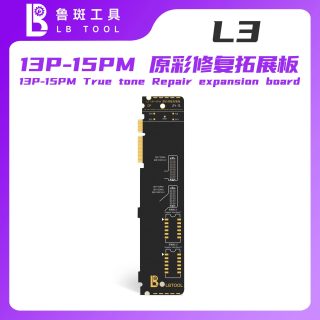 LB L3 13P-15PM True tone repair expansion board
Original price was: ₨ 4,200.00.₨ 4,100.00Current price is: ₨ 4,100.00.
-
 AMAOE 4D LONGWEN TITANIUM ALLOY LOONG SIZE TWZEERS
Original price was: ₨ 1,500.00.₨ 1,400.00Current price is: ₨ 1,400.00.
-
 Sunshine SS-022A brush
₨ 200.00
-
 pary rod (metal tin scraper) for PPD apply while doing IC reablling work.
₨ 150.00
-
 2UUL De-solder wire or solder wick(SOLDER AWAY) NEW MODEL AND BEST QUALITY
Original price was: ₨ 2,200.00.₨ 1,600.00Current price is: ₨ 1,600.00.
-
 LB Android battery clip
₨ 3,000.00
-
 SS-007E jumper wire for IC work for all technician
₨ 550.00
Products
-
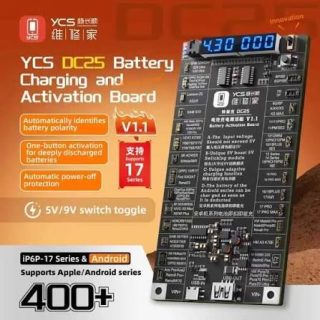 YCS DC25 Battery Booster IP& Andriod
₨ 2,300.00
-
 YCS D03 Bootcable
Original price was: ₨ 2,500.00.₨ 2,200.00Current price is: ₨ 2,200.00.
-
 LB Cleaning adhesive sheets LB-C100
₨ 600.00
-
 LB Ultrasonic Cleaner Enhanced Version LB-U8 Pro
₨ 5,500.00


