- Genuine speed tests featuring chicken road demand quick reactions and skillful dodging
- Understanding the Core Gameplay Loop
- The Role of Reflexes and Anticipation
- Strategies for Mastering the Chicken Crossing
- Optimizing Reaction Time and Decision-Making
- The Psychological Appeal of Risk and Reward
- The Role of Dopamine and Flow State
- The Evolution of the Chicken Crossing Genre
- Beyond Entertainment: Skill Development and Cognitive Benefits
Genuine speed tests featuring chicken road demand quick reactions and skillful dodging
The allure of simple games often lies in their deceptive challenge. That’s certainly true for games centered around the concept of a chicken road crossing. What begins as a seemingly straightforward task – guiding a poultry friend across a busy thoroughfare – quickly escalates into a thrilling test of reflexes and strategic timing. It’s a surprisingly engaging experience, tapping into our innate desire for problem-solving and a little bit of chaotic fun. The increasing pace and the constant threat of oncoming vehicles create a mounting tension that keeps players hooked, striving for that perfect, unscathed journey to the other side.
This genre of game, built upon the core mechanic of avoiding obstacles while moving forward, isn’t just about quick reactions. It’s about pattern recognition, anticipating danger, and making split-second decisions. Successful navigation relies on understanding the rhythm of the traffic, identifying safe windows of opportunity, and adapting to the ever-increasing speed. The inherent simplicity makes it broadly appealing, accessible to players of all ages and skill levels, yet the subtle complexities ensure a sustained level of enjoyment. It’s a wonderfully minimalistic exercise in hand-eye coordination and strategic thinking.
Understanding the Core Gameplay Loop
At its heart, gameplay revolves around a single, compelling objective: get the chicken across the road without being hit by traffic. Sounds easy, right? However, the ingenuity lies in the dynamic difficulty curve. Each successful crossing typically increases the speed at which the chicken moves, and often introduces new obstacles or alters the traffic patterns. This constant escalation ensures the gameplay remains fresh and challenging, preventing it from becoming repetitive. The initial stages focus on establishing a sense of control and teaching the player the fundamental mechanics, while subsequent levels demand increasingly precise timing and calculated risks. The game relies on immediate feedback – a successful crossing feels rewarding, while a collision results in a quick restart, encouraging players to learn from their mistakes and refine their technique.
The Role of Reflexes and Anticipation
While initial attempts might rely on pure reaction time, mastering the game requires a shift in focus towards anticipation. Players must learn to predict the movements of vehicles, identify gaps in traffic, and accurately judge the timing of their chicken’s movements. This involves visually scanning the road for potential hazards, understanding the speed and trajectory of oncoming cars, and mentally planning the optimal path for a safe crossing. Quick reflexes are still important, especially at higher speeds, but a proactive approach to hazard assessment is far more effective. Visual cues like the headlights of approaching vehicles and the spacing between cars become vital pieces of information that skilled players will leverage to maximize their chances of survival. Training your brain to quickly analyze these parameters is key.
| 1 | Slow | Low | None |
| 5 | Moderate | Medium | Increased car variety |
| 10 | Fast | High | Motorcycles, Trucks |
| 15 | Very Fast | Very High | Moving obstacles (e.g., barrels) |
The table above illustrates how difficulty escalates, demanding more from the player as they progress. Notice that the changes aren't just about speed; they also involve an increased complexity in the game environment. This layered approach to difficulty keeps the experience engaging and prevents it from feeling unfair.
Strategies for Mastering the Chicken Crossing
Beyond raw reflexes, employing effective strategies can significantly improve your success rate. One crucial technique is to focus on identifying consistent patterns in the traffic flow. Are there periods of relative calm between waves of vehicles? Do certain lanes consistently have more traffic than others? Recognizing these patterns allows you to plan your crossings more strategically and avoid unnecessary risks. Another effective strategy is prioritizing smaller, more frequent movements over attempting to dash across long distances. Breaking down the crossing into a series of shorter, more manageable steps reduces the chances of making a critical error. Furthermore, learning to exploit the predictable behavior of certain vehicle types can be advantageous. For instance, trucks typically have slower acceleration and deceleration rates, making it easier to anticipate their movements.
Optimizing Reaction Time and Decision-Making
Effective reaction time isn’t just about being fast; it’s about being prepared. Minimizing distractions and maintaining a focused mindset are essential. A clean and uncluttered screen, free from unnecessary visual elements, can help to improve concentration. Additionally, consciously relaxing your hands and shoulders can reduce tension and improve fine motor control, allowing for more precise movements. When it comes to decision-making, it's important to avoid impulsive reactions. Take a moment to assess the situation, identify potential hazards, and weigh the risks before initiating a crossing. It means not being afraid to wait for a truly clear opportunity, even if it means sacrificing a bit of time.
- Prioritize patience over speed.
- Learn to recognize traffic patterns.
- Don't be afraid to restart after a failure.
- Practice consistently to improve reflexes.
- Observe successful players for new techniques.
These tips will drastically improve your ability to navigate the hectic world of the chicken crossing. The key to success isn’t simply reacting to what’s happening, but anticipating it and planning accordingly. It's a fascinating interplay between instinct and learned behavior.
The Psychological Appeal of Risk and Reward
The core appeal of this type of game is deeply rooted in psychological principles. The constant threat of failure activates our fight-or-flight response, triggering a surge of adrenaline and heightening our senses. Successfully navigating a challenging obstacle course, such as a busy road, provides a sense of accomplishment and satisfaction, releasing dopamine and reinforcing the desire to play again. The increasing difficulty curve keeps players engaged by continually presenting new challenges that require them to adapt and improve their skills. It’s a cycle of risk, reward, and continuous improvement. This sense of progression is very compelling, as a constant barrage of challenges increases the player's sense of mastery over time.
The Role of Dopamine and Flow State
The intermittent reinforcement provided by successful crossings – the reward of reaching the other side – plays a crucial role in maintaining player engagement. This intermittent reward system is known to be particularly effective at creating addictive behavior. As players become more skilled, they may even enter a “flow state,” a state of deep immersion and focused concentration where they lose track of time and fully engage with the task at hand. This flow state is characterized by a sense of effortless control and a heightened sense of enjoyment. The game’s straightforward mechanics and clear objective make it easy to achieve this state, further enhancing its appeal.
- Identify safe crossing points.
- Time your movements carefully.
- React quickly to unexpected obstacles.
- Learn from your mistakes and adapt.
- Stay focused and avoid distractions.
Following these steps will offer a structured approach to improving your maneuverability, and can help lead to a consistently higher success rate. Recognizing the impact of these psychological factors provides insight into why games like this are so enduringly popular.
The Evolution of the Chicken Crossing Genre
While the core concept remains consistent, the chicken road genre has seen significant evolution since its inception. Early iterations were often simple 2D games with basic graphics and limited features. However, modern versions have embraced more sophisticated technology, incorporating 3D graphics, realistic physics, diverse environments, and a wider range of playable characters. Some games introduce power-ups or special abilities that can aid the chicken in its journey, while others incorporate social features, allowing players to compete against each other for high scores or challenge friends to beat their records. The addition of unlockable content, such as new chickens or road environments, provides an extra layer of motivation and replayability. These developments have transformed the genre from a simple time-waster into a genuinely engaging and addictive gaming experience.
Beyond Entertainment: Skill Development and Cognitive Benefits
Beyond providing simple entertainment, games featuring a chicken attempting to cross a road can offer surprisingly valuable skill development opportunities. The need for quick reaction times, strategic thinking, and spatial awareness can help to improve cognitive function and enhance problem-solving abilities. The constant need to adapt to changing circumstances can foster flexibility and resilience, while the experience of overcoming challenges can build confidence and self-esteem. Moreover, these games can serve as a valuable tool for improving hand-eye coordination and fine motor skills. The repetitive nature of the gameplay can also promote focus and concentration, potentially benefiting individuals with attention deficits. For children, these types of games can be an enjoyable way to develop essential cognitive skills in a playful and engaging environment. The game could even be used to demonstrate basic concepts of timing, velocity, and risk assessment, depending on the learner’s age.

Sale Items
-
 YCS 4K Square Camera Red High Pixel
Original price was: ₨ 13,000.00.₨ 12,500.00Current price is: ₨ 12,500.00.
YCS 4K Square Camera Red High Pixel
Original price was: ₨ 13,000.00.₨ 12,500.00Current price is: ₨ 12,500.00.
-
 UV flux 559
Original price was: ₨ 1,200.00.₨ 1,000.00Current price is: ₨ 1,000.00.
UV flux 559
Original price was: ₨ 1,200.00.₨ 1,000.00Current price is: ₨ 1,000.00.
-
 MQ-1 AMAOE STENCIL( MT6771V, SDM845, SDM710, MT6739V, MT6757V, SDM660)
Original price was: ₨ 450.00.₨ 400.00Current price is: ₨ 400.00.
MQ-1 AMAOE STENCIL( MT6771V, SDM845, SDM710, MT6739V, MT6757V, SDM660)
Original price was: ₨ 450.00.₨ 400.00Current price is: ₨ 400.00.
-
 Mechanic Microscope Auxiliary Objective Lens 0.3X/0.5X/0.7X/2X MCN Eyepiece for Increase Working Distance
Original price was: ₨ 1,600.00.₨ 1,400.00Current price is: ₨ 1,400.00.
Mechanic Microscope Auxiliary Objective Lens 0.3X/0.5X/0.7X/2X MCN Eyepiece for Increase Working Distance
Original price was: ₨ 1,600.00.₨ 1,400.00Current price is: ₨ 1,400.00.
-
 U-IP8 AMAOE BGA STENCIL IP12 FOR IP12\PRO\MAX\MINI 0.12MM
Original price was: ₨ 450.00.₨ 400.00Current price is: ₨ 400.00.
U-IP8 AMAOE BGA STENCIL IP12 FOR IP12\PRO\MAX\MINI 0.12MM
Original price was: ₨ 450.00.₨ 400.00Current price is: ₨ 400.00.
-
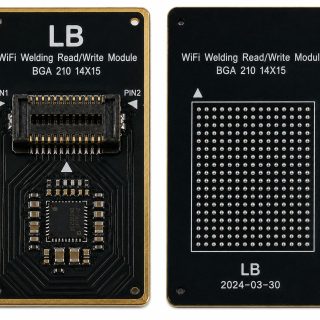 LB WiFi Welding Read/Write Module(Single small board) BGA 210 14x15
₨ 800.00
LB WiFi Welding Read/Write Module(Single small board) BGA 210 14x15
₨ 800.00
-
 special CPU removing tools HONG HAI THONG for motherboard repair
₨ 550.00
special CPU removing tools HONG HAI THONG for motherboard repair
₨ 550.00
-
 YCS 199℃ solder paste
Original price was: ₨ 600.00.₨ 500.00Current price is: ₨ 500.00.
YCS 199℃ solder paste
Original price was: ₨ 600.00.₨ 500.00Current price is: ₨ 500.00.
-
 Mechanic I-mat pro max base for all kind microscope
-
 JCID 15P/15PM series wifi chip
₨ 3,000.00
JCID 15P/15PM series wifi chip
₨ 3,000.00
Products
-
 YCS DC25 Battery Booster IP& Andriod
₨ 2,300.00
YCS DC25 Battery Booster IP& Andriod
₨ 2,300.00
-
 YCS D03 Bootcable
Original price was: ₨ 2,500.00.₨ 2,200.00Current price is: ₨ 2,200.00.
YCS D03 Bootcable
Original price was: ₨ 2,500.00.₨ 2,200.00Current price is: ₨ 2,200.00.
-
 LB Cleaning adhesive sheets LB-C100
₨ 600.00
LB Cleaning adhesive sheets LB-C100
₨ 600.00
-
 LB Ultrasonic Cleaner Enhanced Version LB-U8 Pro
₨ 5,500.00
LB Ultrasonic Cleaner Enhanced Version LB-U8 Pro
₨ 5,500.00