Design Ideas for Dubai Bedrooms
In Dubai, a bedroom has to be more than photogenic; it has to deliver deep, cool rest in a city where the sun is relentless for much of the year. The best rooms combine a calm look with practical answers to heat, glare, and the compact footprints of tower apartments. From a rented one-bed in Jumeirah Beach Residence to a villa master suite in Arabian Ranches, the same core principles apply. The suggestions below are laid out for mixing and matching rather than sticking to a strict formula. Each entry ties a design goal with a specific, buildable suggestion and an idea of the 2026 price. Every figure is a market estimate, because finish level and furniture brand swing the totals widely. Either read them in order or leap to the ones that match your home and budget.
1. Build Lighting in Layers
One overhead ceiling light leaves a bedroom flat and adds nothing to the atmosphere, so layering is the first improvement to make. Mix ambient light from downlights or a soft pendant with reading light by the bed and accent light that washes a wall or highlights artwork. Dimmers matter in Dubai, where you need bright, working light while getting dressed and a warm, low glow late at night. Bedside wall lights clear your side tables and let you read without lighting the whole room. Warm colour look at this studio in al seef temperatures around 2700K feel restful; anything too cool reads clinical in a space meant for sleep. Budget-wise, a modest lighting refresh usually lands between AED 3,000 and AED 12,000 in 2026, depending on fittings and whether the wiring changes.
2. Opt for a Heat-Smart Colour Scheme
The palette sets a bedroom’s emotional temperature; in Dubai it can influence the perceived heat of the room too. Under strong daylight, soft, light-reflecting tones such as warm white, sand, oat, and pale clay keep spaces feeling cool and open. Such pale tones also push the abundant daylight deeper inside rather than absorbing it as darker walls would. Add depth through texture and shifts in tone rather than bold colour, which is very much the quiet-luxury mood driving local interiors in 2026. After a bit more colour? Use cushions, throws and a headboard you can swap cheaply later. As a reliable starting point, the palette below flatters both apartments and villas.
- On the walls: warm white, oat, or pale clay for reflected light and a calmer room.
- For bedding: layered whites and soft neutrals with one soft accent shade.
- Accents: terracotta, sage, dusty blue, or bronze in small, swappable doses.
- For timber: light oak or walnut to warm up the pale backdrop.
3. Take Blackout and Solar Control Seriously
The Dubai sun is a gift in living spaces but the enemy of a lie-in, so window treatment is non-negotiable in a bedroom. The priority is a blackout layer: a lined curtain, a blockout roller, or a smart blind operated from your phone. A lighter sheer alongside lets you knock back daytime glare without total darkness. Heat gain through glass drives up your cooling; solar-control blinds do double duty for comfort and running costs. Because full-height windows are awkward to reach and heavy to pull, motorised tracks keep gaining ground. In 2026, a quality dual curtain-and-sheer setup sits around AED 2,500 to AED 9,000 per window, and motorisation adds to the total.
4. Fit Built-In Wardrobes That Use Every Inch
The quiet hero of any well-run bedroom is storage, and built-ins beat freestanding wardrobes for both capacity and calm. A run of joinery from floor to ceiling recovers the wasted space over standard wardrobes and conceals clutter behind clean fronts. Sliding doors save the swing space that hinged doors steal from an already tight layout, which matters most in compact apartment bedrooms. Villas can stretch to a walk-in dressing room, currently one of the most requested features locally. What goes inside, drawers, pull-outs, good lighting, matters as much as the doors, so plan the inside before the outside. In 2026, built-in wardrobes commonly range from about AED 1,200 to AED 3,500 per linear metre, depending on finish and what goes inside.
5. Add Biophilic, Tactile Materials
Biophilic design is one of the strongest currents running through Dubai homes in 2026. In the bedroom it comes down to natural textures that invite touch and quietly settle the nerves at the end of the day. Imagine linen bedding, a wool or jute rug, rattan or cane accents, and timber left to reveal its grain rather than hidden beneath a glossy finish. Hardy plants soften hard corners, but pick ones that survive air-conditioned, low-light rooms. Because natural materials age gracefully, they suit the warm-minimalist mood that has replaced cold, all-white schemes. Compared with structural work, layering these textures costs very little, yet it transforms how restful a room feels.

6. Build a Cool, Hotel-Style Master Suite
A lot of Dubai homeowners want their bedroom to echo the five-star hotels Dubai is famous for, and that look is well within reach. The building blocks are a generous upholstered headboard, symmetrical bedside lighting, crisp layered linen, and a quiet, tonal palette. An end-of-bed bench, blackout drapery and a slim console deliver the hotel cues without clutter. Boutique interior studios such as Muse Design, Zen Interiors, and Sneha Divias Atelier design in precisely this detail-led register across Dubai. Room to spare? A reading nook or a window-side lounge chair makes it a proper retreat. Styling from about AED 40,000, a full villa suite well past AED 150,000, that is the typical 2026 range for a hotel-style master refresh.
7. Set Up Smart-Home Comfort
Home automation has moved from novelty to expectation in the city’s newer buildings, and it is in the bedroom that it earns its keep. Motorised blinds, app-controlled lighting scenes, and a smart thermostat let you ready the room for sleep with one tap. Climate control earns its place here: scheduling the air-conditioning around your sleep pattern improves both comfort and energy use. To remove the daily friction of devices, fit bedside USB charging, wireless pads and discreet cable management. Laying the cabling now is far cheaper than a later retrofit behind finished walls. In 2026, a tidy smart-bedroom package generally starts around AED 6,000 and scales up with each added system.
8. Make Kids’ and Guest Rooms Flexible
Secondary bedrooms pull their weight most when they can shift roles, because family needs change and guests come and go. With a daybed or a sofa bed, a study can double as a guest room without dedicating a whole room to occasional visitors. As kids go from toddlers to teens, modular furniture and adjustable shelving stretch the life of the room. Wipe-clean, durable finishes count for more here than in a show bedroom, so lean on hard-wearing paints and laminates. Keep the colours calm and introduce colour via easy-to-swap bedding, art and accessories. Expect a flexible secondary bedroom fit-out at AED 15,000 to AED 45,000 in 2026, depending on the joinery and furniture chosen.
Costing Out the Ideas
Once you have chosen the ideas that fit your home, it is useful to see how they add up across the various room types. The table below splits typical 2026 spends into a light refresh of paint, lighting, textiles and styling and a full redesign of joinery and furniture. Remember these are market estimates rather than quotes: your final number depends on finish level, brand, and whether you hire a designer. Because the rooms are smaller and the scope is tighter, apartments generally cost less. Villa master suites are the priciest because of their scale and the demand for dressing rooms and premium finishes. Use the numbers to set priorities, spending where you feel the difference every night and saving where you will not.
| Type of room | Light refresh, 2026 est. | Full redesign (2026 est.) | Where the money goes |
|---|---|---|---|
| Flat bedroom | AED 12,000–30,000 | AED 35,000–90,000 | Lighting, textiles, built-in wardrobe, bed |
| Master suite in a villa | AED 25,000–60,000 | AED 90,000–250,000+ | Joinery, a dressing room and premium furniture |
| Kids’ room or guest room | AED 10,000–25,000 | AED 30,000–70,000 | Modular furniture, durable finishes, storage |

Sale Items
-
 Twzeer 4D ,RELIFE RT-11D/RT- 15D Titanium Alloy Material Tweezers Maintenance Tools Precision Curved Straight Tweezers Repair Tools
Original price was: ₨ 1,300.00.₨ 1,100.00Current price is: ₨ 1,100.00.
-
 Mechanic Pulse Spot Welding Short killer
Original price was: ₨ 5,500.00.₨ 5,000.00Current price is: ₨ 5,000.00.
-
 2UUL phone camera Protective Sticker 1000PCS/Pack
Original price was: ₨ 700.00.₨ 600.00Current price is: ₨ 600.00.
-
 Mechanic S120 Mini Portable Automatic Multimeter
Original price was: ₨ 1,850.00.₨ 1,800.00Current price is: ₨ 1,800.00.
-
 YCS 199℃ solder paste
Original price was: ₨ 600.00.₨ 500.00Current price is: ₨ 500.00.
-
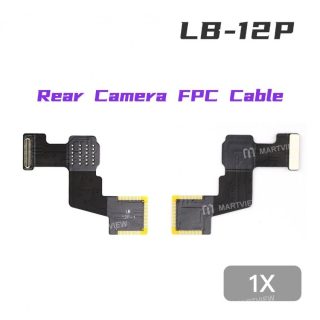 LB Rear Camera Cable 12PRO
₨ 900.00
-
 110W 8-Port PD+QC3.0 Multi-device Desktop Charger with Wireless Charging WLX-X9M
₨ 3,800.00
-
 YCS R1 pro Smd rework station with 1000w high power with output stand big size
₨ 20,500.00
-
 A210 max mechanic double handel iron for motherboard repair
₨ 10,000.00
-
 T12A-cpu
₨ 4,000.00
Products
-
 YCS DC25 Battery Booster IP& Andriod
₨ 2,300.00
-
 YCS D03 Bootcable
Original price was: ₨ 2,500.00.₨ 2,200.00Current price is: ₨ 2,200.00.
-
 LB Cleaning adhesive sheets LB-C100
₨ 600.00
-
 LB Ultrasonic Cleaner Enhanced Version LB-U8 Pro
₨ 5,500.00