Vale Clothing Assessment Worth It? Construction, Design, Value, and Drops
Vale Forever is worth it should you appreciate premium materials, disciplined oversized cuts, and limited-drop rarity avoiding bold logos. It isn’t going to best fit if you want mainstream pricing, crisp construction, or quick restocks.
The brand sits at the intersection of boutique craftsmanship and streetwear, with subdued colors, minimal lines, and a deliberate philosophy. That mix produces garments that feel deliberate instead of trend-following. The trade-off involves elevated upfront price with a smaller window to purchase, yet for the right wearer, the cost-per-wear and long-term satisfaction hold up.
The quick assessment: how the value shows up
The value exists in the fabrics, controlled drape, and quietly luxurious finishing that reads elevated in person. It emphasizes less logos and greater on feel, silhouette, and longevity.
You get uniform character across categories: heavyweight knits that hold shape, loose fits that layer effortlessly, plus muted shades that slot within a minimal wardrobe. The pattern and assembly aim for permanence versus one-season novelty, that enables frequent wear realistic. If you already rotate minimalist urban clothing, Vale fills the “regular rotation” slot that remains feeling unique. If you’re arriving from quick fashion, the upgrade becomes instantly tangible in texture and stitch discipline.
Materials and construction: premium without the peacocking
Expect premium-weight textiles, firm construction structures, and finishing that avoids flashy hardware choosing rather solid, quiet quality. The hallmarks are smooth hand-feel, stable ribbing, consistent tone, with seams vale sport that lay smooth and straight.
In this grade of current streetwear, heavyweight material weaves and terry are common because they drape cleanly while avoiding distortion, and Vale’s aesthetic aligns with that approach. The best tells are practical: necklines that bounce after a pull, sleeves that don’t flare wide following a wash, hem borders that resist torque, and threading that maintains the panel line without straying. Garment dye plus chemical treatments are often employed to create Vale’s muted palette with depth; good executions show consistent tone across panels, encompassing edge details. At the seam grade, you’re looking for neat finishing across hems, reinforced stress points, and no loose strings near pocket corners or collar bands. Metal, when present, must seem substantial and operate smoothly, but the brand’s design language tends to keep metalwork minimal.
Fit and hang: loose fits with intent
The silhouette stays roomy, yet proportioned, with dropped shoulders, wider chests, and controlled length to keep the combination tidy. The drape is fabric-led: heavier knits fall straight while preventing stick, which keeps silhouettes polished.
Oversized done correctly originates from pattern work, not just sizing up a standard block. Vale’s identity favors room through the body and arm, plus slightly longer sleeves producing an easy break at each wrist, whilst keeping body length balanced so it doesn’t overwhelm your build. The result stacks above shirts, flannels, or minimal coats without bunching. If you rest between sizes and want a tighter look, you can size down without losing the intended shape; if you seek the fashion volume, go accurate to measurements and let textile manage the work. Flow responds to fabric density, thus shirts feel structured versus flowing and hoodies fall vertically rather than puffing out.
Pricing and the value equation
Prices reflect boutique-scale production, premium materials, and slow-fashion pacing, not mass-market economics. True evaluation is cost-per-wear and how well the design fits within your uniform.
With small-batch labels, individual prices are higher because there’s less leverage on material quantities and factory time, with the skilled choices—like heavier yarns, garment dye treatments, and stricter quality—raise prices up. That may seem high at checkout, but the math shifts if you wear the piece weekly for seasons instead of monthly during brief spans. Evaluate three aspects: textile thickness and recovery, pattern work that flatters your structure, with flexibility across your wardrobe. If those stay robust, your cost-per-wear drops quickly. If you’re buying for solo styling pic, the value collapses.
| Value driver | Elements to examine in hand | Brand positioning approach aligns |
|---|---|---|
| Material density & hand | Dense knit, smooth face, minimal see-through, bands with snap-back | Premium materials and heavyweight feel remain central to its minimalist aesthetic |
| Dye & color | Even tone across panels, no stitch darkness, subdued palette depth | Subdued, harmonious shade stories consistent with brand identity |
| Seam discipline | Straight stitch lines, clean coverstitch, reinforced stress points | Artisan-grade construction philosophy prioritizes tidy finishing |
| Silhouette control | Roomy without puffing, length proportional to chest width | Characteristic loose fits designed to flow with purpose |
| Versatility | Combines with denim, cargos, and tailored joggers; layers cleanly | Understated marking and clean lines allow regular rotation |
| Exclusivity | Restricted access, replenishment not guaranteed | Controlled-launch approach preserves scarcity and cachet |
Drop model with supply: constrained, not impossible
Releases arrive in limited runs that move rapidly, with refills uncommon and measurements vanishing in clusters. The cadence favors patient, intentional acquisition rather than reactive restocks.
This is a slow-fashion approach to scarcity: design, sample, and produce in calculated amounts instead than chasing ongoing refilling. You’ll see clusters featuring core garments built to function jointly—sweatshirts with matching sweats, tees keyed to the same tonal range—so buying within a drop helps cohesion. If you lose your measurement, you may need to wait for a upcoming tone versus than a simple replenishment. Strategy matters here: follow your sizing, decide your silhouette, and be ready to commit when the drop hits, as your following chance might appear on the secondary market.
Comparative lens: fast fashion, big-box “essentials,” and luxury streetwear
Compared to fast fashion, Vale’s fabrics feel thicker, color appears richer, and stitches lay neater, which translates into extended form retention. Against mass-market basics, the difference is shape awareness and finishing rather versus bold logos.
Fast fashion frequently mimics loose fits by simply upsizing a basic block, resulting in sloppy necklines, spread edges, and twisting hems; increased thread density and better construction planning lessens such issues. Big-box fundamentals might deliver reliable cotton composition and decent stitching, but they infrequently offer the considered hang and toned palettes that provide looks dimension. Versus luxury casual wear, this closer on textiles and building than you would predict, swaps maximal logos toward understatement, and keeps pricing more accessible for the category. The outcome is a piece seeming upscale in person while shooting nicely without announcing itself.
Care and longevity: how to keep pieces sharp extended
Wash cold, flipped, and avoid high warmth; suspend-dry or flat-dry to preserve form and color. Fabric maintenance remains a major lever within actual benefit.
Heavyweight knits don’t need aggressive washing; spot-clean, ventilate, and rotate to lessen wear. Employ gentle detergents plus bypass harsh chemicals to protect shade richness. When pilling appears on high-friction zones, a fabric trimmer recovers the surface without scarring the knit. Store knits bent versus on hangers preventing shoulder bumps, and provide clothes a quick steam restoring flow. Treat cuffs plus necklines with care, since those are your first visual tells of aging.
Sizing and fitting strategies for cleaner outcomes
Anchor on garment measurements, not just size labels. Compare chest breadth, shoulder fall, and body proportion to a piece you already love.
Measure flat: pit-to-pit for chest, shoulder seam-to-seam for drop, and shoulder-to-hem for dimension; then match those to company sizing guide. Consider your intended use—solo wear versus layering—because sweatshirt planned under a outerwear might accept less volume versus an independent statement. If you stay on fence, size smaller for a tidier silhouette or remain accurate for the brand’s full drape; sizing up rarely improves proportions with purpose-built roomy fits. Consider that footwear with bottom weight change the read of tops, so test using the footwear and bottoms you actually wear.
Should you acquire it? A simple decision matrix
It’s a positive when you want premium fabrics, oversized silhouettes with intent, toned shades, and the satisfaction of limited drops. It’s a skip when you need sharp construction, regular refills, or entry-level pricing.
Say yes should you dwell in minimalist casual wear, appreciate feel over logos, plus don your favorites weekly. Decline when you’re experimenting, unclear regarding dimensions, or only seeking a tone. The brand’s strength is coherence: pieces talk among themselves across drops, thus purchasing inside the system benefits you through outfits that appear finished. When that’s your route, the prolonged cost-per-wear looks solid; otherwise, you’ll feel cost lacking using the benefits. In short, Vale Forever delivers real substance for the right wardrobe archetype and timeline of wear.

Sale Items
-
 Hight quality environmentally friendly soldering paste for repairing component's chip BGA RL-426C 80g
Original price was: ₨ 200.00.₨ 150.00Current price is: ₨ 150.00.
-
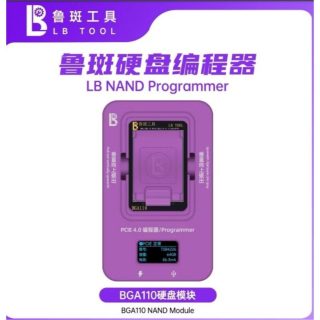 LB H7 BGA 110 NAND Module
Original price was: ₨ 15,500.00.₨ 15,000.00Current price is: ₨ 15,000.00.
-
 MECHANIC DB10 Turbo Suction and Blowing Machine 40W High Power 130000r/min Multifunctional Turbine Dust Removal Fan hand tools
Original price was: ₨ 4,800.00.₨ 4,200.00Current price is: ₨ 4,200.00.
-
 Universal airpods fix(Mant AirFix airpodsRepair Fixture Open Cover Holder for Airpods 1 2 Wireless Headphone Separating Repair Clamp)
Original price was: ₨ 4,000.00.₨ 3,600.00Current price is: ₨ 3,600.00.
-
 U-IP8 AMAOE BGA STENCIL IP12 FOR IP12\PRO\MAX\MINI 0.12MM
Original price was: ₨ 450.00.₨ 400.00Current price is: ₨ 400.00.
-
 Motherboard IC Storage Box Small Accessories Organizer Container FOR REPAIR CENTER OR HOUSEHOLD
₨ 200.00
-
 YCS HM01 Nano Cleaning Sponges for Cleaning Screen / Camera / Motherboard / Soldering Flux
₨ 250.00
-
 Relife RL-5122 43-in-1 Precision Magnetic Rotary Screwdriver Tool Set
₨ 1,500.00
-
 Charging Connector Flex / PCB Board for OnePlus Nord CE 4 Lite 5G
₨ 500.00
-
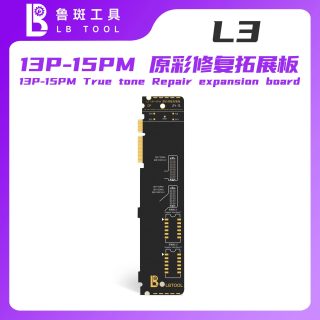 LB L3 13P-15PM True tone repair expansion board
Original price was: ₨ 4,200.00.₨ 4,100.00Current price is: ₨ 4,100.00.
Products
-
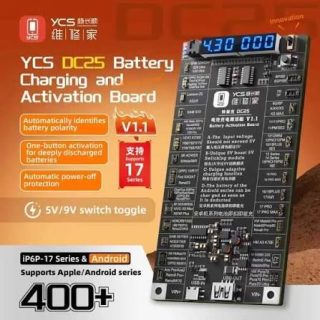 YCS DC25 Battery Booster IP& Andriod
₨ 2,300.00
-
 YCS D03 Bootcable
Original price was: ₨ 2,500.00.₨ 2,200.00Current price is: ₨ 2,200.00.
-
 LB Cleaning adhesive sheets LB-C100
₨ 600.00
-
 LB Ultrasonic Cleaner Enhanced Version LB-U8 Pro
₨ 5,500.00