Smart budgeting tips before heading out for a full day of outlet shopping
Most shoppers treat outlet trips as casual errands, but the real risk lies in spending without a hard cap. Without a defined limit, the allure of marked-down prices quickly erodes discipline, turning a planned visit into an unplanned drain on your monthly finances. Smart budgeting tips before heading out for a full day of outlet shopping exist to prevent exactly that scenario, yet many people skip the setup and rely on willpower alone. Willpower fails when fatigue sets in and the environment is engineered to push impulse decisions. The mechanics of a full day trip demand a different approach than a quick browse. You need a clear spending ceiling, a realistic buffer for meals and transport, and a strict rule for what actually qualifies as a purchase. When those pieces are missing, the math turns against you fast. A few poorly timed stops can easily exceed the cost of buying the same items at regular retail during a standard sale. The goal is not to avoid spending entirely, but to control the variables that usually slip out of hand. silesia outlet
Where the real budget leaks happen during a long outlet run
The core problem is rarely the price tag itself. It is the accumulation of small, unscripted decisions that compound over hours of walking and browsing. A shopper might arrive with a rough number in mind, but that number rarely accounts for the hidden friction of a full day out. Parking fees, coffee breaks, lunch, and the temptation to buy a second item because it feels like a bargain all add up. When you treat the trip as a single transaction, you ignore the operational costs that surround it. The environment also works against restraint. Outlet layouts are designed to keep you moving through sections you did not plan to visit, and fatigue lowers your ability to compare unit prices or check return policies. Another frequent mistake is assuming that a discounted price automatically means value. Some outlet items are manufactured at a lower spec specifically for these locations, which means the original retail comparison is misleading. If you do not verify the actual quality and compare it against your real needs, you end up paying for perceived savings that do not hold up once you get home. The fix starts with writing down a hard ceiling before you leave, then breaking it into categories so you can see where the money actually goes. A practical way to keep the numbers honest is to check the destination in advance and note the layout, operating hours, and any entry requirements, which is why many experienced shoppers review a site like silesia outlet before they commit to the trip.
The hidden friction that breaks most spending plans
The first layer of friction comes from how the day is structured. People often leave home with a single total in mind, but a full day of walking and browsing requires a different breakdown. You need to separate the money you are willing to spend on actual purchases from the money that covers the trip itself. Fuel, parking, meals, and incidental snacks are real costs that rarely appear in the initial mental math. When those costs are ignored, the purchase budget gets quietly inflated just to keep the day comfortable. Fatigue makes the problem worse. After several hours, decision quality drops, and shoppers start justifying purchases they would normally skip. The second layer is the pricing illusion. Outlet discounts are often calculated against a reference price that does not reflect what the item actually sells for in regular channels. Without checking the current market price or reading the fine print on materials and warranties, you can mistake a modest reduction for a genuine deal. The practical countermove is to set a per-category limit and a separate travel buffer before you start the car. Write the numbers down, keep them visible, and treat any deviation as a conscious trade-off rather than a casual slip.
How to keep the numbers honest when fatigue and discounts collide
When the day runs long, the easiest mistake is to let a series of small wins convince you that the budget still has room. A few discounted items feel harmless, but they accumulate faster than most people track in real time. The safest approach is to use a simple running tally that you update before each new stop, not after you leave the store. That habit forces a pause and makes the cumulative total visible. It also helps to define in advance what qualifies as a purchase worth making. If an item does not fit a specific need, has a return window that is too narrow, or requires additional costs like alterations or accessories, it should not count as a saving. Another practical guard is to separate your payment methods. Keep the purchase budget on one card or in one envelope, and leave the rest out of reach. That physical separation reduces the temptation to bridge a gap with money that was meant for other obligations. When you feel the urge to stretch the limit, ask whether the item would still feel worth it at full price. If the answer is no, the discount is doing the convincing, not the item itself.
Turning the plan into a routine that actually holds up
The value of a solid setup shows up most when the day gets tiring and the discounts start stacking. A clear ceiling, a separate travel buffer, and a written list of what you actually need turn the trip into a controlled exercise instead of an open-ended spend. That structure also makes it easier to walk away when a deal does not fit your criteria. The real advantage is not saving money on a single item, but preventing the slow drift that turns a planned outing into a budget problem. When you treat the mechanics seriously, you keep the experience useful rather than expensive.
Glossary of terms used in this article
- Hard ceiling: A fixed spending limit that you do not exceed, regardless of how attractive a discount appears.
- Travel buffer: A separate amount reserved for non-purchase costs such as fuel, parking, meals, and incidental stops.
- Reference price: The baseline figure used to calculate a discount, which may not reflect the item’s actual typical selling price.
- Running tally: A real-time count of money spent so far, updated before each new purchase to keep the total visible.

Sale Items
-
 HIGH QUALITY IRON STAND FOR NORMAL IRON
Original price was: ₨ 500.00.₨ 450.00Current price is: ₨ 450.00.
-
 RELIFE ST-20L Precision tweezers for chip placement
Original price was: ₨ 600.00.₨ 550.00Current price is: ₨ 550.00.
-
 Mechanic QC-20 BGA IC Glue Remover Liquid
Original price was: ₨ 700.00.₨ 600.00Current price is: ₨ 600.00.
-
 2UUL phone camera Protective Sticker 1000PCS/Pack
Original price was: ₨ 700.00.₨ 600.00Current price is: ₨ 600.00.
-
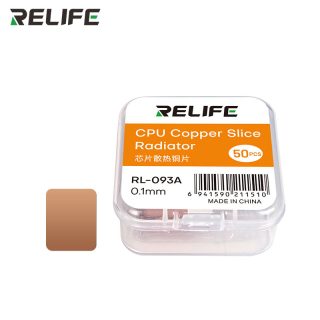 RELIFE RL-093A/B/C Chip heat sink copper sheet 0.1mm/0.3mm/0.5mm
Original price was: ₨ 650.00.₨ 600.00Current price is: ₨ 600.00.
-
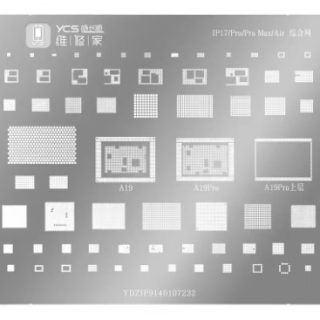 Iphone 17 series stencils
₨ 400.00
-
 Sunshine white cloth with 152 pcs
₨ 250.00
-
 Apple iPhone 11 Pro Max - Charging Connector (Without Charging IC) + Flex Cable-EASY TOOLS
₨ 1,300.00
-
 Amaoe AFix-A Multifunctional IC Chip Glue Removal Repair Fixture PCB Board BGA Rework
₨ 2,000.00
-
 MAANT 199 SOLDER PASTE PPD 50G
₨ 800.00
Products
-
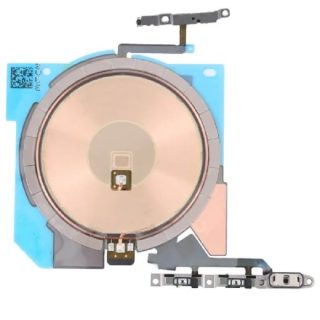 IP 14PM NFC Flex
₨ 1,500.00
-
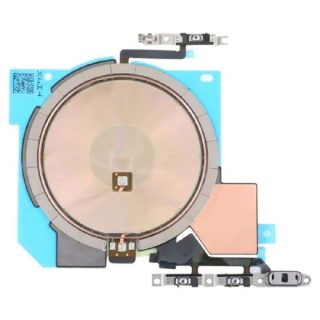 IP 14 PRO NFC Flex
₨ 1,500.00
-
 IP 13 PM NFC Flex
₨ 1,400.00
-
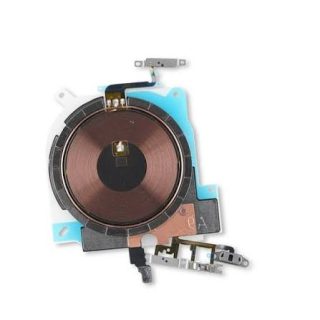 IP 13 PRO NFC Flex
₨ 1,400.00