When researchers first approach Understanding why synthetic cannabinoids bind differently to brain receptors, the sheer structural variety can feel overwhelming. Early work often begins with basic receptor models and ligand structures, yet practical progress usually depends on recognizing how minor chemical shifts alter affinity. Many newcomers start by reviewing foundational pharmacology before considering specialized material sources like k2 spice buy options for comparative testing. The initial goal is not mastery but mapping the landscape of binding variability. k2 spice buy
Building a solid foundation for receptor binding studies
A newcomer must first grasp the endocannabinoid system before analyzing synthetic variants. This means learning how CB1 and CB2 receptors function under normal physiological conditions. Structural biology basics become essential here, particularly regarding ligand-binding pockets and conformational changes. Researchers typically start with established molecular modeling tools rather than jumping straight into complex simulations. Understanding why synthetic cannabinoids bind differently to brain receptors requires patience with foundational biochemistry. Early milestones include identifying key functional groups and predicting how steric hindrance might block or enhance attachment. Without this groundwork, later comparisons between natural and synthetic compounds lose precision. The learning curve is steep, but structured study prevents costly misinterpretations later.
Comparing structural motifs across synthetic variants
Once foundational knowledge exists, the focus shifts to comparing specific molecular architectures. Synthetic cannabinoids often feature distinct core scaffolds that differ markedly from endogenous ligands. These structural motifs influence how tightly a compound fits into receptor sites. Researchers examine halogen substitutions, ester chains, and indole modifications to see how each change affects binding kinetics. In practice, even small atomic replacements can dramatically shift potency or selectivity. Understanding why synthetic cannabinoids bind differently to brain receptors becomes clearer when side-by-side structural comparisons are mapped against known affinity data. This stage demands careful documentation of chemical variations and their observed effects. Trade-offs emerge quickly, as increased potency often comes with reduced metabolic stability or unpredictable off-target interactions.
| Structural Feature | Typical Binding Effect | Practical Consideration |
|---|---|---|
| Halogen substitution | Increased lipophilicity and affinity | May alter metabolic clearance rates |
| Ester chain length | Modulates receptor pocket fit | Longer chains can reduce solubility |
| Indole core modification | Shifts CB1 versus CB2 selectivity | Changes onset and duration profiles |
| Polar functional groups | Affects membrane permeability | Impacts blood-brain barrier crossing |
Navigating trade-offs in affinity and selectivity
Strong binding does not automatically translate to useful or predictable outcomes. Many synthetic compounds demonstrate high affinity for CB1 receptors but lack the nuanced signaling bias seen in natural ligands. This creates a genuine trade-off between potency and functional selectivity. Researchers must weigh how tightly a molecule binds against whether it triggers the desired downstream pathways. Understanding why synthetic cannabinoids bind differently to brain receptors often reveals that maximal affinity can mask partial agonism or unexpected antagonism. Early experimental decisions should prioritize balanced profiling over chasing the highest binding numbers. Conditions such as temperature, buffer composition, and receptor expression levels also influence measured affinity. Ignoring these variables leads to inconsistent results and flawed conclusions.
Planning early milestones and first decisions
Newcomers benefit from setting clear, measurable goals before collecting data. A typical first milestone involves establishing a reliable assay protocol that consistently measures binding displacement. Next, researchers decide whether to focus on a single receptor subtype or compare multiple targets simultaneously. Each path carries different resource demands and interpretation challenges. Understanding why synthetic cannabinoids bind differently to brain receptors guides these early choices by highlighting which structural questions matter most. Practical planning also means allocating time for replication and negative controls. Rushing into advanced modeling without validated baseline data often wastes effort. The most productive early decisions balance ambition with methodological rigor, ensuring that subsequent comparisons rest on stable experimental ground.
Progress in this field depends on disciplined observation rather than rapid assumptions. Researchers who respect the complexity of receptor interactions build more reliable models over time. The initial learning phase rewards careful documentation and measured comparisons. Those who approach the subject methodically find that binding variability becomes a solvable puzzle rather than an opaque barrier.

Sale Items
-
 RELIFE RT-11C/RT-15C Ultra-Precision Titanium Alloy Tip Tweezers
Original price was: ₨ 900.00.₨ 850.00Current price is: ₨ 850.00.
-
 NASAN NA-SUPA Lite Max LCD Laminating Machine With Out Removal Compressor.
Original price was: ₨ 83,000.00.₨ 80,000.00Current price is: ₨ 80,000.00.
-
 Ycs Repair Home Oxidation Point Quick Repair Paste YCS-SX02 (needle tube)
Original price was: ₨ 400.00.₨ 350.00Current price is: ₨ 350.00.
-
 AS20 gloves(Heat Resistant)
Original price was: ₨ 250.00.₨ 200.00Current price is: ₨ 200.00.
-
 2UUL Power X PW11 high power refresh screen ampere and voltage for laptop and mobile
Original price was: ₨ 6,500.00.₨ 6,200.00Current price is: ₨ 6,200.00.
-
 NEW HOT MODEL 8620DX SMD REWORK STATION Power Adjustable Welding Desoldering Heat Hot Air Gun Smd Digital Rework Station For Laptop Repair
₨ 29,000.00
-
 YCS Tin Planting Arc Pad – High Temperature Resistant Magnetic Pad
₨ 800.00
-
 HW-12 AMAOE STENCIL INCLUDED( 540, HI6421, BGA153, HI1103-V1, HI6365-V1, HI6526-V1, 6H12, HI3690-V100 RAM, HI9500-V100, HI3690-V100 CPU, HI6405-V1, HI6422-V3, 429)
₨ 400.00
-
 Soptop SZN71 Zoom Stereo Microscope more focused
₨ 80,000.00
-
 RELIFE RT-14A RT-14SA Precision Tweezer
₨ 350.00
Products
-
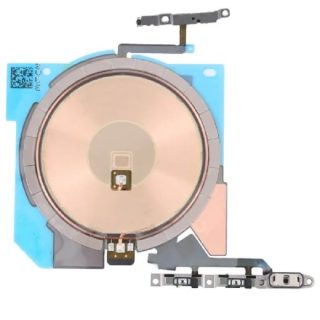 IP 14PM NFC Flex
₨ 1,500.00
-
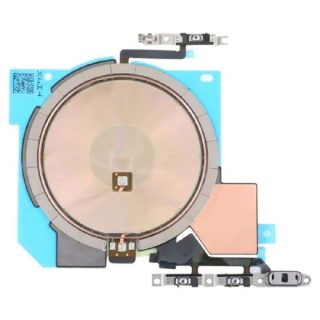 IP 14 PRO NFC Flex
₨ 1,500.00
-
 IP 13 PM NFC Flex
₨ 1,400.00
-
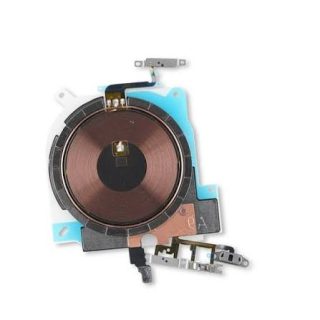 IP 13 PRO NFC Flex
₨ 1,400.00