
When you first approach designing an efficient bar workflow to speed up weekend drink service, the temptation is to chase complex equipment or rigid scripts, but the real leverage comes from mapping movement, sightlines, and decision points before the doors open. The most reliable starting point is a honest audit of your current floor plan and a willingness to test small adjustments rather than overhaul everything at once. Many operators who have walked this path, including teams working through the wheelhouse falkirk, find that early clarity on station boundaries and bottle placement saves more time than any single gadget. The goal at this stage is simply to remove friction where it actually accumulates during a rush, not to chase theoretical perfection. the wheelhouse falkirk
Mapping the physical layout before you buy anything
The first decision you make shapes every later shortcut. Start by walking the bar with a notepad and marking where bartenders actually reach during a typical Saturday night, not where the original plan said they should stand. You will usually notice that the heaviest traffic crosses the same narrow strip between the speed rail and the sink, which is exactly where bottlenecks form. Rearranging the most frequently used spirits, mixers, and garnishes into a single accessible arc reduces cross-steps and keeps hands on the rail longer. A practical compromise here is accepting that a tighter layout sacrifices some storage depth for faster retrieval, which means you will need to restock more often but move drinks faster. Keep the ice well within a single step of the shaker station, and place the most common modifiers at chest height rather than low shelves. If you are building from scratch, sketch the flow on paper first and trace three standard orders from order to pass to see where the line naturally bends.
| Parameter | Typical starting point |
|---|---|
| Station width per bartender | 70-90 cm of clear rail space |
| Reach radius for core bottles | Within one step, chest to waist height |
| Ice access distance | No more than one step from shaker station |
| Garnish placement | Within arm’s length of the pass |
| Restock frequency under this layout | Often 2-3 times per busy shift |
Setting up the first station and training the opening team
Once the layout is roughly settled, the next milestone is defining a single, repeatable station routine that new staff can learn in a couple of shifts. Begin with a stripped-down menu for the opening weekends so the team can memorize the most common builds without juggling edge cases. Assign one person to the rail and another to the pass, and keep the handoff point fixed rather than letting it drift with the crowd. The trade-off is that a fixed division of labor can feel rigid during slow patches, but it prevents the confusion that happens when everyone tries to do everything at once. Train the opening crew by running dry rehearsals of the top ten drinks, focusing on bottle order, shake timing, and where each glass lands after pouring. You will usually find that consistency in the first hour sets the pace for the rest of the night, because small delays compound quickly when the room fills. Keep the early training focused on motion economy rather than speed alone, since rushed hands tend to spill, mislabel, or double-pull ice.
Balancing speed, consistency, and the limits of early shortcuts
The third piece is accepting that a faster workflow always carries a cost, and the first version will rarely be the final one. Speed gains from a tighter layout and a simplified menu often come at the expense of variety, so you need to decide which drinks truly belong on the board and which can wait. Another genuine limitation is that a workflow optimized for one shift pattern can struggle when coverage changes or when a different bartender takes over the rail. To handle that, write down the bottle order and the exact placement of the core tools in a simple checklist that anyone can scan in ten seconds. The compromise is that documentation adds a small upfront burden, but it prevents the slow drift that happens when each person rearranges things to their own habit. In practice, the most durable early systems are the ones that leave a little room for adjustment without breaking the main flow, because rigid setups tend to crack under the first unexpected rush. Review the layout after each busy weekend and move only one or two items at a time so you can see what actually changes.
A practical bar workflow only earns its keep when it survives the first few crowded nights without forcing the team to improvise constantly. The early wins come from a clear station map, a narrow set of reliable drinks, and a fixed handoff point that everyone can trust. As the crew gains familiarity, you can widen the menu and adjust the rail, but the foundation should stay anchored to the same simple motion patterns. If you keep the changes small and measure what actually slows the pass, the system will settle into a rhythm that feels less like a scramble and more like a repeatable routine.

Sale Items
-
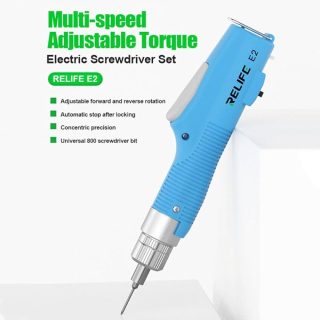 RELIFE E2 Adjustable Torque Electric Screwdriver Set
Original price was: ₨ 7,600.00.₨ 7,500.00Current price is: ₨ 7,500.00.
-
 Mechanic C919 3-in-1 QuickCooling Fan & Fume Exhaust & UV Lamp
Original price was: ₨ 3,200.00.₨ 3,000.00Current price is: ₨ 3,000.00.
-
 Rectangular Polished Wooden Machine Tool Boxes, For Storage
Original price was: ₨ 1,500.00.₨ 1,350.00Current price is: ₨ 1,350.00.
-
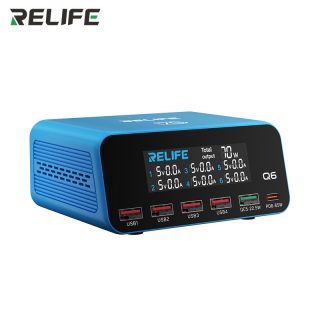 RELIFE Q6 Smart Multi-Port Charger
Original price was: ₨ 2,800.00.₨ 2,600.00Current price is: ₨ 2,600.00.
-
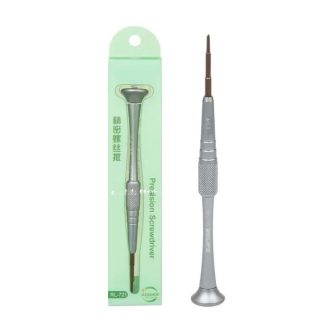 RELIFE RL-721 Precision Screwdriver/IP17 single
Original price was: ₨ 350.00.₨ 300.00Current price is: ₨ 300.00.
-
 SUNSHINE RS-1800D OR RS-1600 Digital Display 1800w Hot Air Soldering Gun For Mobile Repair
₨ 2,200.00
-
 XZZ i-shocket(middle board tester)-13/13 mini/13 plus/13 pro/13 promax
₨ 28,000.00
-
 LB Face ID Non-Removal Repair cable 13/13mini
₨ 1,400.00
-
 SUGON High Quality 2020D Hot Air Rework Station
₨ 12,500.00
-
 Charging Connector Flex / PCB Board for Apple iPhone 14- High copy
₨ 800.00
Products
-
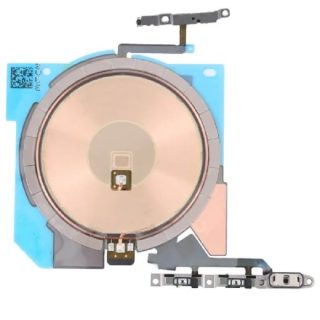 IP 14PM NFC Flex
₨ 1,500.00
-
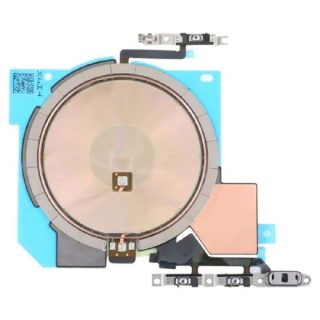 IP 14 PRO NFC Flex
₨ 1,500.00
-
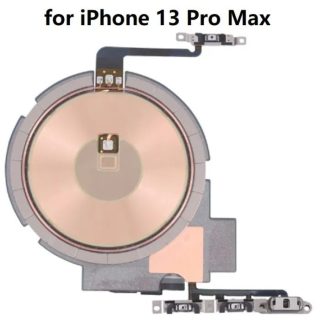 IP 13 PM NFC Flex
₨ 1,400.00
-
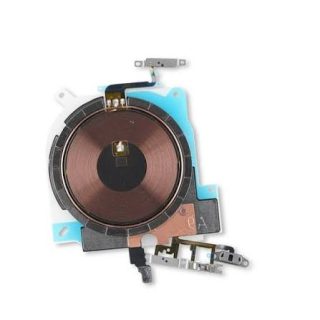 IP 13 PRO NFC Flex
₨ 1,400.00


