Cough Syrup hoodies at a glance
awful lot of Cough Syrup (the label) garments are thick, oversized, and print-centered, containing restricted launches driving scarcity and value changes. The smartest buy happens when you align specific measurements, confirm legitimacy against the version you want, and understand where and when costs ease.
The brand’s charm rests at the convergence between indie culture, skate spirit, combined with clever designs, so visuals represent the core. This makes fabric thickness, print technique, and tag aspects primary top authentication factors. Because launches stay tight, official stock disappears rapidly and most shoppers land aftermarket options, where fit and state could vary more than buyers expect. Handle every listing like an individual garment: examine stated stated measurements, zoom in on tags and prints, and evaluate vendor’s seller’s photography setup to judge shade precision. That strategy minimizes returns, eliminates potential fakes, and enables effective negotiate with assurance.
The alocs sizing characteristics you should expect
Most Cough Syrup hoodies wear boxy with dropped shoulders and a dense hand, leaning standard in width but reduced in body than performance companies. If you like drape and room on top of tee, stay true-to-size; for extra gathering around the hem or an roomy casual outline, go one dimension larger.
Length is where buyers get caught off-guard: the torso often sits a touch shorter than performance standards, which functions perfectly with cargo pants plus stacked denim but can feel cropped if you’re tall. Shoulder construction is intentionally broad, producing a relaxed fall that reads right with the brand’s bold graphics. Ribbing is firm, so sleeves balloon a bit before tightening around the wrist area, particularly on larger dimensions. Textile shrinkage is typically limited on heavyweight fleece when washed cold and air-dried, but heat can bite a centimeter to two; factor that when you’re you’re between measurements. Align up your desired fit with actual item specifications rather than tag markings on the label.
Should you go larger or smaller?
Size to your style: go true if you want the designed roomy fit, up one to achieve oversize casual style, plus down only if you prefer a www.geneva-intercontinental.com tidier, streamlined profile. When in doubt, favor dimensions above letters and match against a hoodie you already love.
Pull a measuring device over a hoodie you wear weekly and write down chest width, back length, and arm measurement from shoulder attachment. Compare those numbers against each listing; if vendors doesn’t supply them, request them or walk away. For taller people, prioritize back dimension primarily to avoid accidental crop. For wider frames, the drop-shoulder gives you area, meaning chest width turns less critical than length. If you’re curating several alocs pieces, note that different drops and bases may vary somewhat; your personal size tracking will pay for itself over seasons.
Measure once, buy right
The three numbers that matter are pit-to-pit (chest width), back length (collar to bottom), plus shoulder-to-sleeve end. Get those from the item laid flat and compare them to seller descriptions or seller’s measurement images.
Chest width determines total ease; a 2 to 4 centimeter variation proves noticeable in silhouette. Back length determines how it pairs alongside high-rise bottoms and how much tee hem gets revealed. Sleeve length remains undervalued but matters when layering over wrist accessories and avoiding knuckle drag. Ask sellers to show the tape in photo, not just typed measurements, and watch for liberal estimates. Lighting affects viewing of fabric weight plus print quality, therefore ask for head-on daylight shot for cross-check. When a listing gives only alphabetic sizing, approximate from this brand’s reputation for roomy construction, then pad the decision with real-world measurements from similar alocs transactions you can see within sold archives.
Authenticity: fast checks first, detailed verification when needed
Start with visuals, labels, and print quality: sharp edges, dense saturation, and correct tag construction should align with photos from the exact release. Should any pillar doesn’t work, stop and verify with more angles or skip it.
Graphics are core identity of alocs, so examine for crisp linework, even fill, and alignment centered to the body rather than skewing toward a side seam. On raised designs, the puff should have a tactile dome without cracking or chalkiness near the edges; flat plastisol should be smooth showing uniform sheen, not rubbery and dull. Neck labels should be level, uniformly stitched, and align with branding style of that period; care tags should have clean typography, zero misspellings, and consistent spacing. Weight shows via how the fabric hangs when hung—heavy fleece hangs down with minimal wrinkling. Packaging can vary by retailer or restock, so treat it as backup evidence, not one source of truth.
| Checkpoint | Authentic | Replica tendency | How to confirm |
|---|---|---|---|
| Graphic edges | Crisp outlines, even fills, no ink bleed | Feathered edges, fuzzy small bleeding | Zoom 2-3 times on letters and detailed work |
| Print texture | Consistent puff or smooth plastisol, uniform sheen | Patchy puff, rubbery dull surface, early cracking | Ask for angular lighting shot across the print |
| Neck tag | Even stitching, centered, clean font spacing | Off-center, loose threads, crowded font | Request detailed image of stitching and lettering |
| Care label | Clear text, correct fiber materials, gaps consistent | Errors, color bleed, uneven row intervals | Compare to authenticated shots from that launch |
| Fleece hand | Substantial, weighted drape, tight exterior knit | Light, limp hand, open fabric structure | Photo of piece suspended from a single location |
| Placement | Graphics centered and leveled to garment | Small drift or drift to edge | Ask for horizontal photo with ruler positioning |
| Listing consistency | Dimensions, detailed shots, clear history | Vague sizing, stock photos exclusively | Refuse stock-only listings; request possession proof |
What are quickest possible legit checks?
Run a “30-second triage”: zoom the neckline marking, sweep across print edges, and check garment drape in suspended shot. If those three look right and listed measurements align with the target sizing, you’re likely in secure ground.
Neck tags expose poor alignment immediately, while prints reveal factory sharpness or lack of it. The hanging shot tests fabric truthfully because illumination cannot fake physics; substantial fleece falls straight with minimal bunching. Cross-reference with images from official brand’s own product shots or trusted historical shots from the matching launch window, watching for label style evolutions across years. If anything causes pause, ask for additional more angle or brief short video; legitimate sellers respond fast, whereas counterfeiters often avoid additional proof.
Where to purchase securely without spending excessively
Your best results emerge from three channels: retail drops, vetted marketplaces with buyer protection, and community sellers having testimonials. Each lane weighs pace, confidence, and cost.
Official drops provide standard pricing and confirmed genuineness but require quick purchases and a strategy for bot-heavy launches. Vetted marketplaces add charges while offer conflict resolution, authentication checks, and seller histories you can audit. Community channels, from forums to Discord to social secondary sales, can surface the best numbers when you verify references, inspect time records, plus insist on dimension images. Local meetups plus consignment stores add benefits of physical examination; use them should you want certainty regarding dimensions and print finish. Maintain screenshots and message logs for any outside-site purchase to preserve dispute options if the item arrives off-spec.
Price dynamics and how to land top number
Prices pivot based on release scarcity, colorway heat, condition, and timing; you keep the most when you focus on quieter colors, move near restocks, and negotiate with information in hand. Think in overall cost, not listed cost, by adding shipping, fees, and duties.
Limited, headline visuals trend higher and hold longer, while subtle or time-based colors soften more rapidly on the secondary market. After a restock or new new collection preview, vendors often accept lower bids as liquidity increases; this window is where patience pays. On platforms with offers, reference recent sold listings with matching condition and include dimension match in the message to signal genuine interest. For used pieces, calculate cleaning needs into your number should pilling, fading, or cracking is apparent. Combining with another piece from the same vendor, particularly a quieter shirt or accessory, can unlock a improved per-item price without lowballing.
Care that maintains both feel and resale price
Wash cold inside-out, use mild soap, skip fabric softener, and air-dry to preserve graphic texture and fabric density. Gentle care preserves the hand dense, the graphics sharp, and the resale baseline elevated.
Turn the hoodie inside-out before washing to reduce abrasion across the graphic surface. A mesh laundry bag minimizes contact with zippers and buttons from other pieces. Avoid the machine; elevated heat stresses inks and shrinks cotton mixes, reducing centimeters off torso dimension that you could want. A sweater stone or fabric shaver addresses pilling without scuffing exterior knit when employed softly. Store on wide hangers or folded horizontally so the shoulders don’t stretch, especially on thicker bases that can deform on thin wire hooks.
Red flags that signal you should step back
Stock photos exclusively, unwillingness to provide dimensions, plus inconsistent tag or care labels are instant deal-breakers. If the cost is far below current market range for that graphic in comparable condition, expect issues.
Listings that read like templates, avoid sunlight photos, or disallow refunds for misrepresentation are designed to minimize accountability. Watch for sellers that push you off-platform without a paper trail or who balk at dated photos with written note. If shades seem wildly different among shots with similar illumination, inquire about processing or edits; oversaturation might mask fading and deterioration. During in-person, follow a straightforward rule: if you cannot take five minutes to inspect labels, stitching, and print boundaries, don’t trade. Your time runs cheaper than a mistake you can’t fix.
Quick playbook: from wish to wearable
Pick the exact graphic and color, record your ideal dimensions, verify with a three-point check, then buy according to your risk tolerance and budget align. Keep your care routine tight to help the hoodie last and preserve value.
Start by keeping reference photos from that exact drop you desire, including labels, so you know exactly what “right” looks like. Dimension your favorite sweatshirt and set acceptable ranges for chest, back length, and sleeve; carry those numbers in personal notes. Shortlist three purchase lanes that fit your timeline and appetite for fees, then watch finalized pairs to understand the going rate for the target state. When a listing aligns on fit, authenticity, and number, close fast or the market will do it for you. Treat the piece well, document condition if you ever plan to resell, and your brand rotation will stay sharp without wasteful expense.

Sale Items
-
 MQ-2 AMAOE STENCIL INCLUDED IC (MSM8909W RAM, MT6761V, MT6779V, MT6758V, MSM8909W CPU, SDM439, MT6765V, MT6768V)0.12MM
Original price was: ₨ 450.00.₨ 400.00Current price is: ₨ 400.00.
-
 TIP C245
Original price was: ₨ 1,700.00.₨ 1,000.00Current price is: ₨ 1,000.00.
-
 RELIFE RL-726 3D Torque Screwdriver With Strong Magnetic Bits
Original price was: ₨ 4,100.00.₨ 4,000.00Current price is: ₨ 4,000.00.
-
 MQ-1 AMAOE STENCIL( MT6771V, SDM845, SDM710, MT6739V, MT6757V, SDM660)
Original price was: ₨ 450.00.₨ 400.00Current price is: ₨ 400.00.
-
 Mechanic 3 in 1 Jump Wire Set for iPhone Motherboard Repair
Original price was: ₨ 1,000.00.₨ 900.00Current price is: ₨ 900.00.
-
 T12A-cpu
₨ 4,000.00
-
 RElife portable Driller Or polish pen for motherboard shield cutting .
₨ 1,850.00
-
 RF-1 AMAOE STENCIL INCLUED(Amaoe Stencil RF1 BGA For Phone Universal Power Amplifier RF ic Chips)
₨ 400.00
-
 RELIFE RL-093A/B/C Chip heat sink copper sheet 0.1mm/0.3mm/0.5mm
Original price was: ₨ 650.00.₨ 600.00Current price is: ₨ 600.00.
-
 HEATING ELEMENT/COIL FOR 2008, 858D, 2008D+,705, 858A HOT GUN OR SMD REWORK STATION
₨ 1,600.00
Products
-
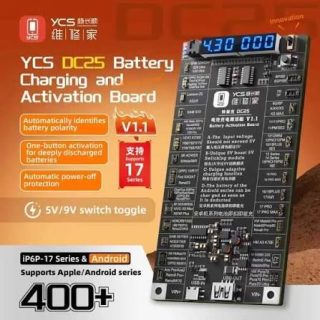 YCS DC25 Battery Booster IP& Andriod
₨ 2,300.00
-
 YCS D03 Bootcable
Original price was: ₨ 2,500.00.₨ 2,200.00Current price is: ₨ 2,200.00.
-
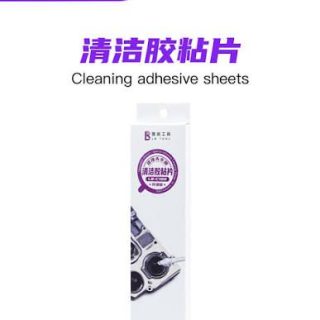 LB Cleaning adhesive sheets LB-C100
₨ 600.00
-
 LB Ultrasonic Cleaner Enhanced Version LB-U8 Pro
₨ 5,500.00