Sharing video content online feels harmless until a creator notices their work circulating without permission. The core problem is rarely the repost itself, but the missing context around ownership and attribution. Many people assume adding a username in the caption solves everything, yet the mechanics of how you share determine whether the original maker retains control or loses it quietly. This article examines the practical methods that actually preserve creator rights.
Comparing Direct Embedding, Platform Sharing, and Download-Based Reposting
The most reliable approach is using the platform’s native share function, which preserves the original upload link and keeps engagement metrics attached to the source. When you share a TikTok or YouTube link directly, the algorithm still registers the view on the creator’s channel, and the video remains tethered to their account. This method requires almost no technical effort, but it limits how much you can trim, caption, or reformat the clip for a different audience. If your goal is simply to amplify the original without altering it, native sharing is the safest route.
Download-based reposting changes the equation entirely. Once a file leaves the original platform, the connection to the uploader weakens unless you manually rebuild it. Some people use tools like twvideo to grab a copy before posting it elsewhere, but that step alone does not grant permission or transfer ownership. The real issue is what happens after the download: if you upload the file to your own channel without clear attribution, viewers will assume you produced it. That misattribution can drain the original creator’s reach and complicate any future claims about who made the content. twvideo
A third option is embedding, which works well on blogs and news sites but less effectively on mobile-first social feeds. Embedded players keep the source visible, yet many platforms strip embed functionality from external sites or block them entirely. Each method carries a different balance of convenience, attribution fidelity, and platform compliance, so the choice depends on whether you value reach, control, or legal safety more.
When Download-Based Reposting Makes Sense
There are narrow situations where downloading and re-uploading is reasonable, such as archiving a video that the original poster has deleted or compiling clips for a clearly labeled compilation with explicit consent. Even then, the file should carry visible credit in the video itself, not just in the description. Adding a watermark or a short text overlay that names the original creator reduces the chance of misattribution. This approach takes more effort, but it signals respect and keeps the provenance visible even when the post gets shared again by others.
Why Native Sharing Usually Wins for Attribution
Native sharing preserves the chain of custody that platforms use to track views, likes, and comments. When you paste a direct link, the original uploader keeps the engagement data, which matters because many creators rely on those signals for monetization or algorithmic visibility. The tradeoff is less editing flexibility, but that limitation is actually a feature: it prevents you from accidentally stripping context, cropping out credits, or altering the message in ways the creator never approved. For most everyday sharing, this method aligns best with ethical reposting because it leaves the original work intact and properly attributed.
How to Repost Ethically Without Losing Creator Context
Ethical reposting is less about a single rule and more about preserving the chain of credit every time the file moves. The first step is to identify whether the platform supports native sharing or embedding, since those options keep the original upload link alive. If you must download the clip, verify that the creator has allowed redistribution or ask directly through a comment or message. Next, save the original username, profile link, and any license terms the creator listed, because those details determine how you can legally reuse the footage. When you prepare the repost, place the credit where viewers will actually see it, such as a pinned comment, an on-screen text overlay, or a clear caption line that names the original maker before any commentary you add.
After the post goes live, monitor how the clip is received and correct any misattribution quickly. If someone else shares your repost without credit, a short reply with the original creator’s handle can restore the context. The process is straightforward, but it only works when you treat attribution as a persistent layer rather than a one-time caption.
- Confirm the platform’s native share option first and use it if available.
- If downloading is necessary, check for explicit permission or a license that allows reuse.
- Record the creator’s handle, profile link, and any stated attribution requirements.
- Add visible credit inside the video or in a prominent caption line before posting.
- Respond to misattribution promptly by naming the original creator in a reply or edit.
Choosing the Right Reposting Method for Your Audience and Platform
The best method depends on where your audience spends time and how much control you need over the final presentation. A fast-paced social feed often rewards quick native shares, while a newsletter or blog may need an embed that keeps the original player intact. If your audience expects edited commentary or trimmed clips, you will likely need a download-based workflow, which means the attribution burden falls entirely on you. That extra responsibility is why many people default to the simplest option: share the original link, name the creator, and avoid altering the file unless permission is clear.
The practical takeaway is to match the method to the level of risk you are willing to carry. Native sharing carries the least attribution risk, embedding sits in the middle, and download-based reposting requires the most careful credit work. When you treat each method as a different level of responsibility rather than a neutral choice, the ethical path becomes easier to follow.
Most ethical reposting mistakes come from assuming a caption alone is enough or that a download tool handles permission automatically. In practice, the safest habit is to keep the original link attached whenever possible and to treat any downloaded file as a separate publication that needs its own clear credit. If you follow that standard, you protect the creator’s visibility while still sharing content that deserves a wider audience.

Sale Items
-
 YCS 150℃ solder paste
Original price was: ₨ 600.00.₨ 500.00Current price is: ₨ 500.00.
-
 RELIFE ST-20L Precision tweezers for chip placement
Original price was: ₨ 600.00.₨ 550.00Current price is: ₨ 550.00.
-
 Glue Removal Rework Blade MECHANIC Speed Blade 5 IC CPU Hard Disk Layering Rubber Tapping Shovel Prying Adhensive Cutted Knife
Original price was: ₨ 1,400.00.₨ 1,100.00Current price is: ₨ 1,100.00.
-
 AMAOE BGA STENCIL FOR IPHONE IP6\6P
Original price was: ₨ 450.00.₨ 400.00Current price is: ₨ 400.00.
-
 RELIFE RL-004I Maintenance pad for B3 microscope
Original price was: ₨ 1,300.00.₨ 1,200.00Current price is: ₨ 1,200.00.
-
 LB True Tone Repair Cable (without sensing/photosensitive components)12MINI
₨ 2,400.00
-
 RELIFE Screwdriver Set 0.6 1.2 1.5 T2 RL-728 728A 728B 721 Phone Battery LCD Repair Strong Magnetic S2 Steel Laptop Mac
₨ 2,200.00
-
 2uul IP Series Back Cover Sealing Adhesive for iPhone 14 to 17 Series - 5Pcs
Original price was: ₨ 600.00.₨ 500.00Current price is: ₨ 500.00.
-
 Nasan NA-SP23 Ultra 12.9" - LCD Separator |
₨ 15,000.00
-
 Quick Hot Air Soldering Station 861DW/ Sugon 8620DX 8610DX with 45-Degree Curved Nozzle, 5mm/7mm/10mm Hot Air Heat Nozzle Disassembly of Hot Air Nozzle for Welding Station Microscope Oblique Phone
₨ 500.00
Products
-
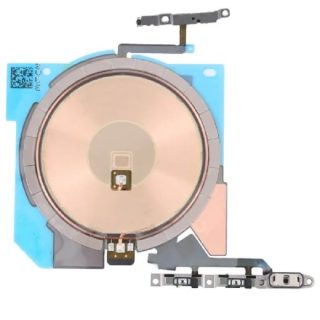 IP 14PM NFC Flex
₨ 1,500.00
-
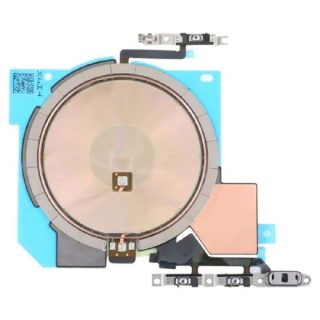 IP 14 PRO NFC Flex
₨ 1,500.00
-
 IP 13 PM NFC Flex
₨ 1,400.00
-
 IP 13 PRO NFC Flex
₨ 1,400.00